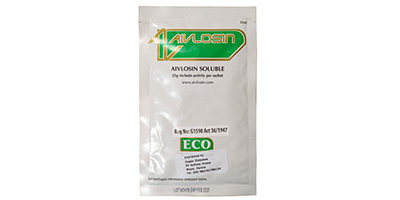
AIVLOSIN FG50
Description
Poultry
Used for the prevention and treatment of Mycoplasma bacterial diseases, including Chronic Respiratory Disease (CRD) in broiler, breeder and layer chickens. For the prevention and treatment of diseases due to Clostridium perfringens (acute and subacute necrotic enteritis, wet litter, cholangiohepatitis), and Ornithobacterium rhinotracheale (ORT).
Swine
For the prevention and treatment of Porcine Proliferative Enteropathy (PPE)/lleitis, Swine Dysentery and Enzootic Pneumonia
| For Use On | Swine/pigs, Poultry |
| Pack Size | 20kg |
| Directions for Use | Aivlosin FG50 should be mixed in the feed at the following dose rates: Pigs and Poultry: Prevention – 1kg per tonne of feed Consultation with your Veterinary Surgeon is recommended before commencing treatment. Synergy of tylvalosin and tetracyclines has been shown and programs in the field combining tetracyclines and Aivlosin at lower doses have proven effective. Poultry: For use in a control programme, feed medicated feeding stuff at 50-100ppm for the first 7 days of life, followed by Aivlosin FG50 at these levels for a further 5-7 days during periods of stress (e.g. vaccination). Swine: For prevention, feed medicated feeding stuff at 50ppm for 21 days or until the end of the risk period. For treatment, feed medicated feeding stuff at 50 – 100ppm for 10 days. Repeat as necessary. For pigs with reduced or restricted food intake, inclusion levels may need to be increased to achieve target dosage. |
| Withdrawal Period | Chickens: 3 days |
| Precautions | Do not store product above 25°C. Store in a cool, dry place, protected from direct sunlight. When mixing the veterinary medicinal product and handling the medicated feed, direct contact with eyes, skin and mucous membranes should be avoided. Wash hands and exposed skin thoroughly after use. In case of eye contact, immediately flush out with plenty of water. In case of accidental ingestion seek immediate medical advice and show the label to the physician. Keep out of the sight and reach of children Any unused veterinary medicine or waste material should be disposed of in accordance with local regulations. Do not slaughter animals for human consumption during treatment. |